Agricultural Equipment
 Articles

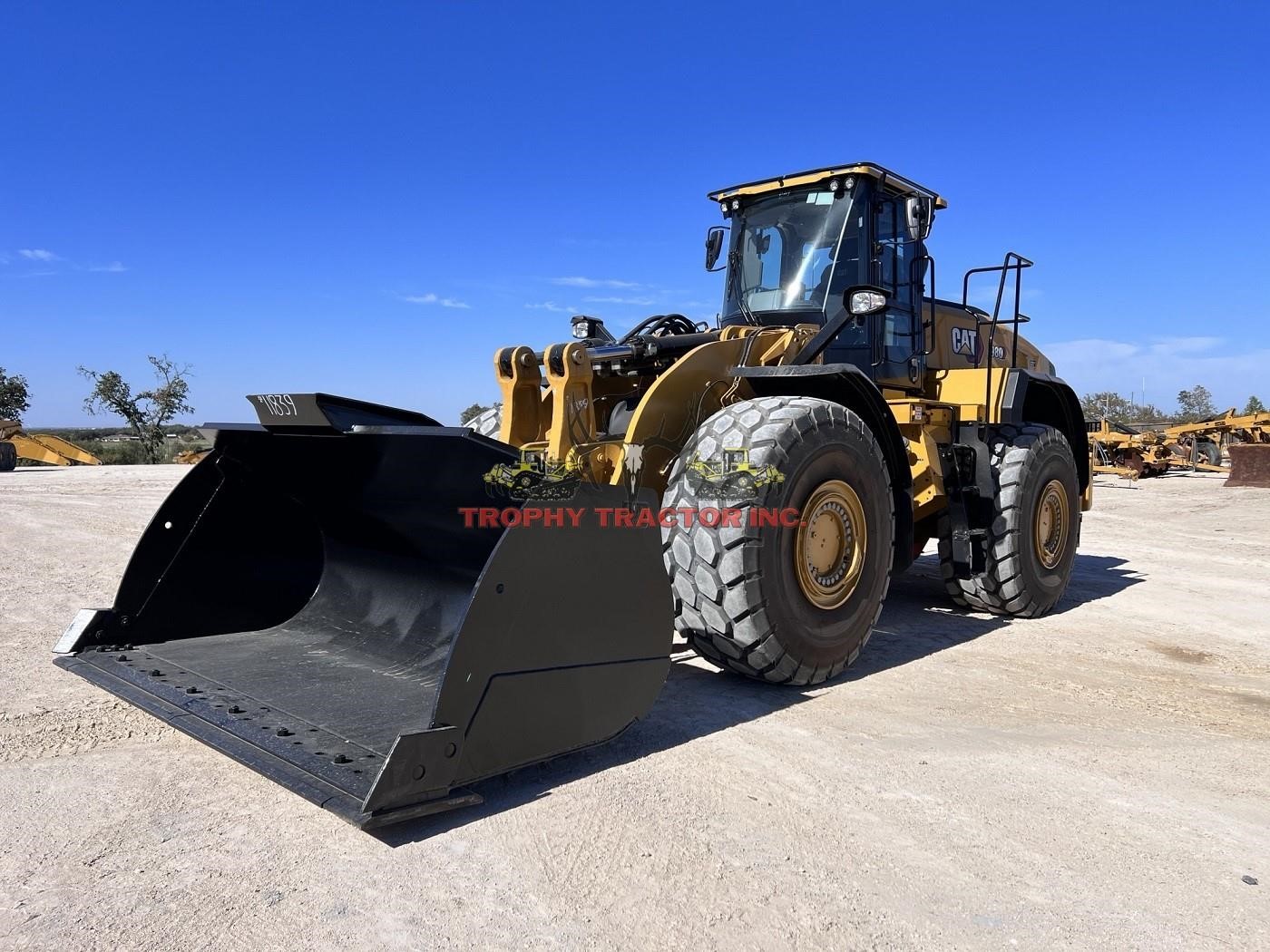
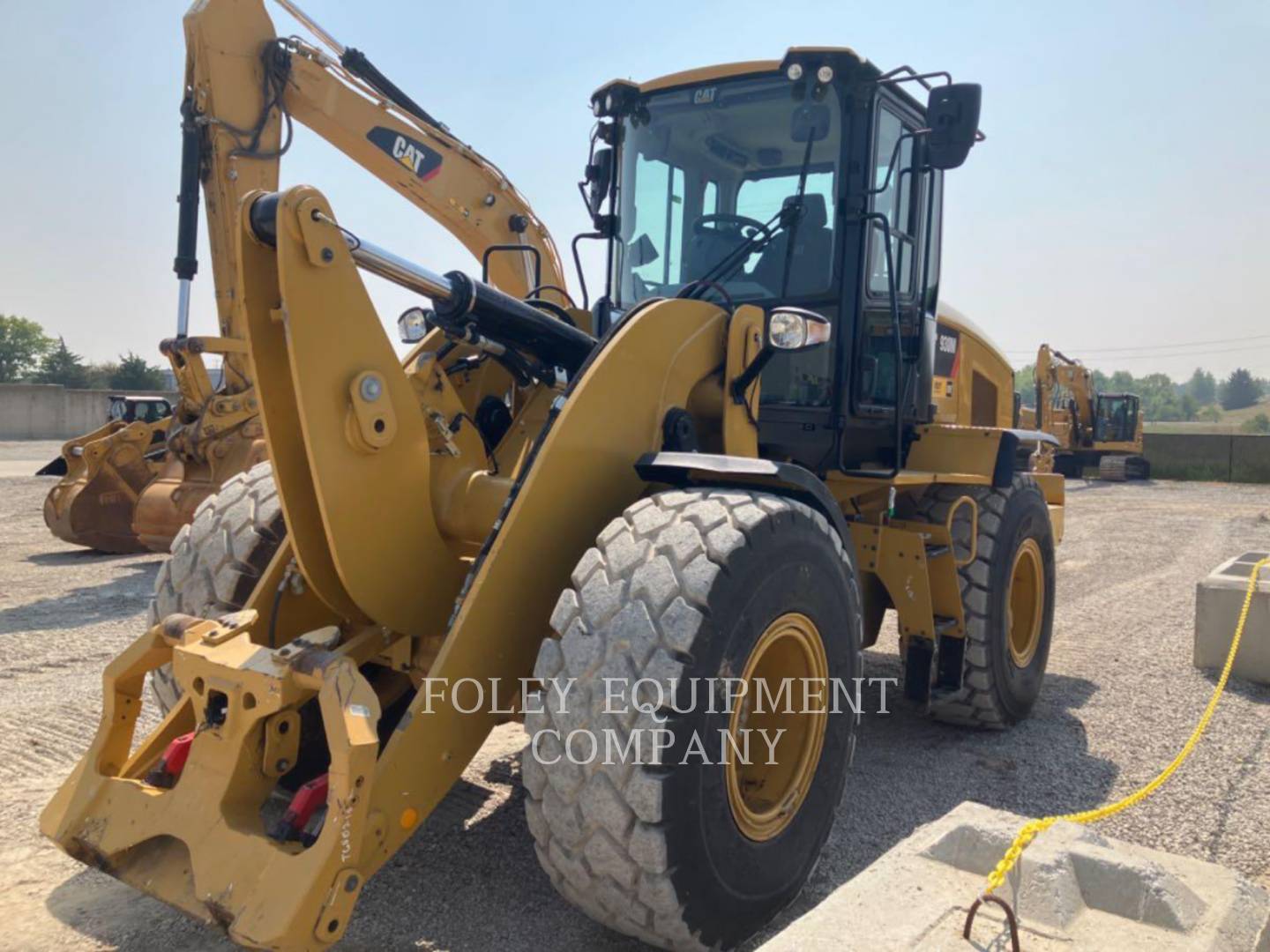
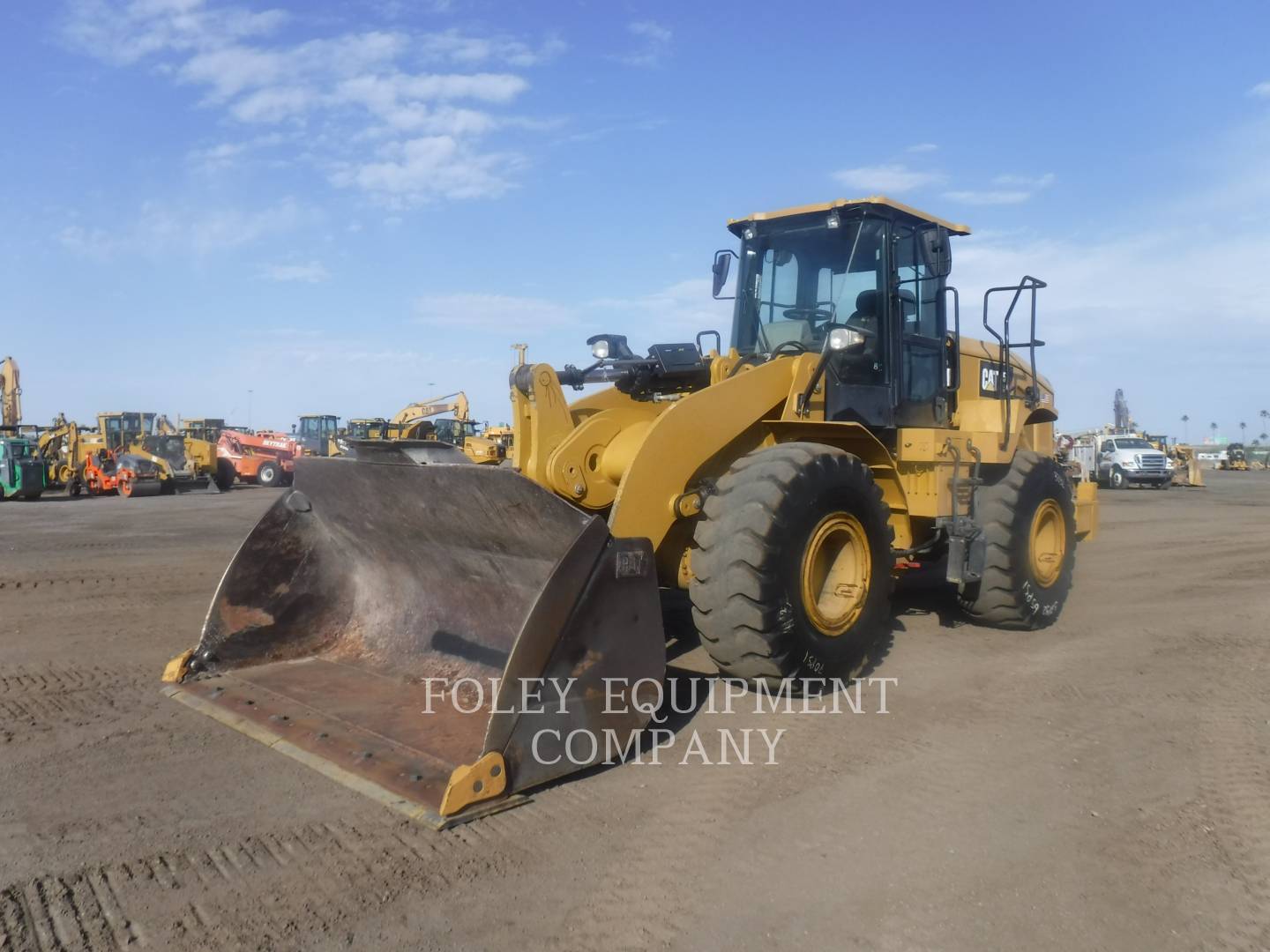
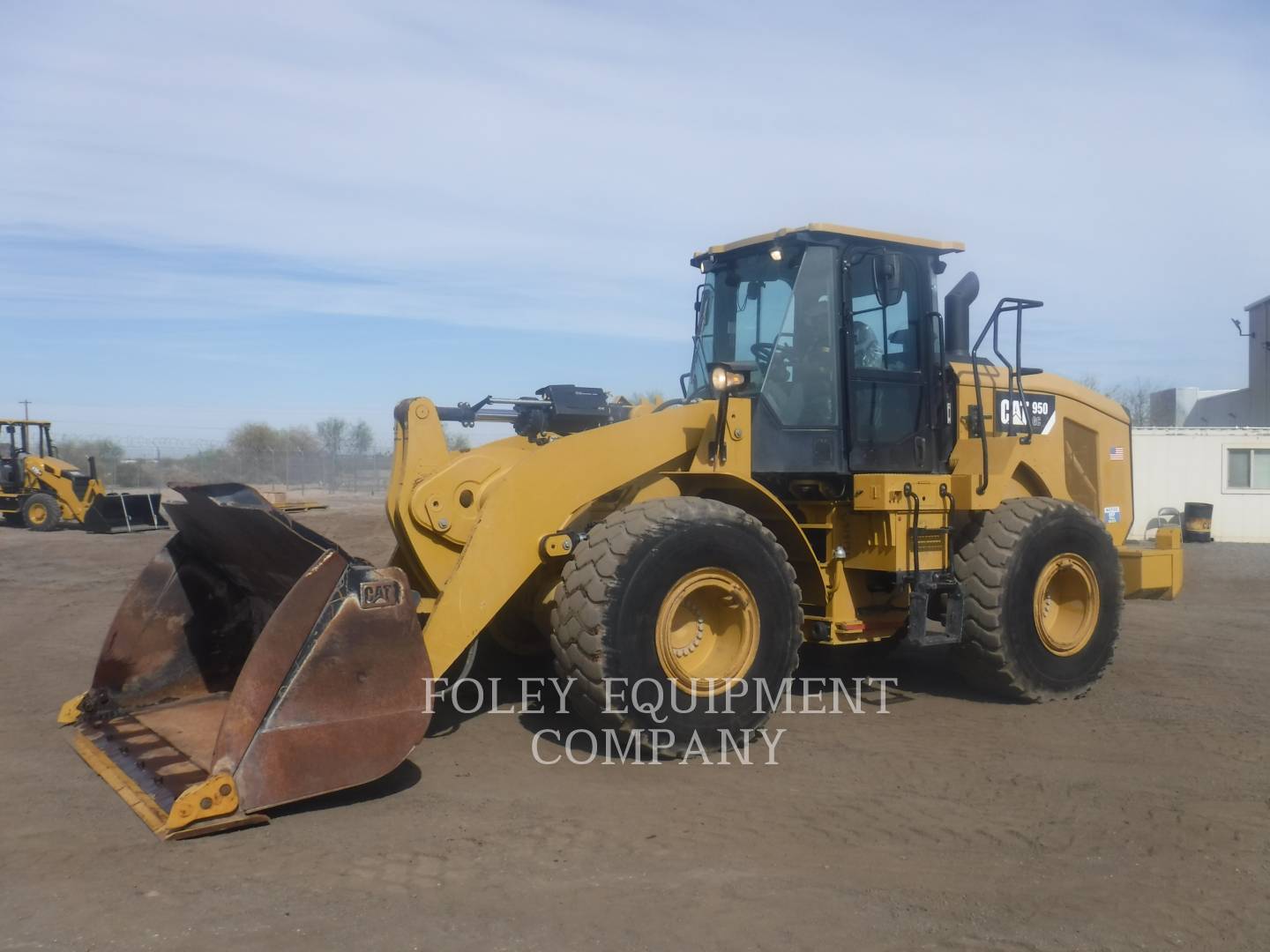
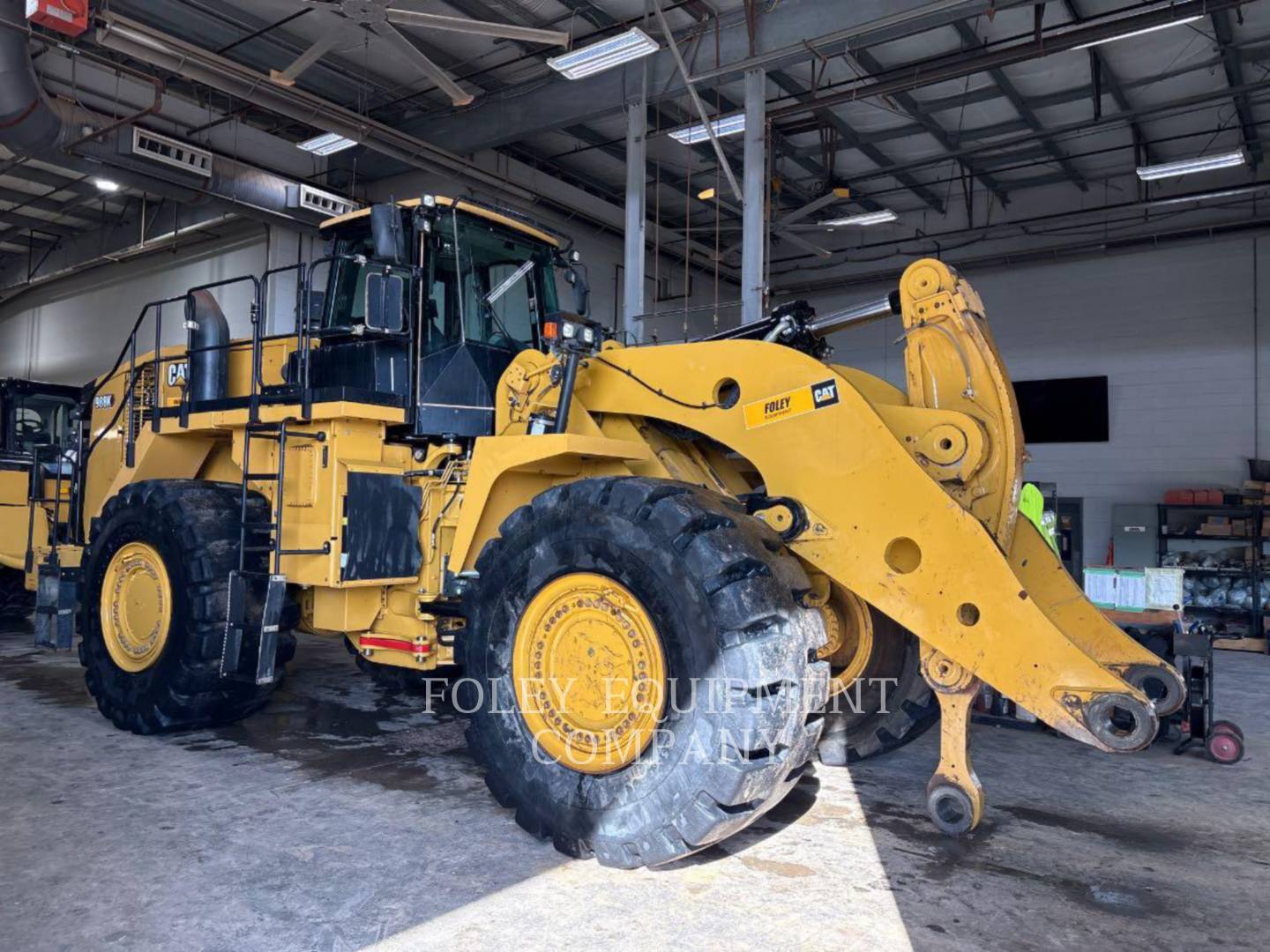
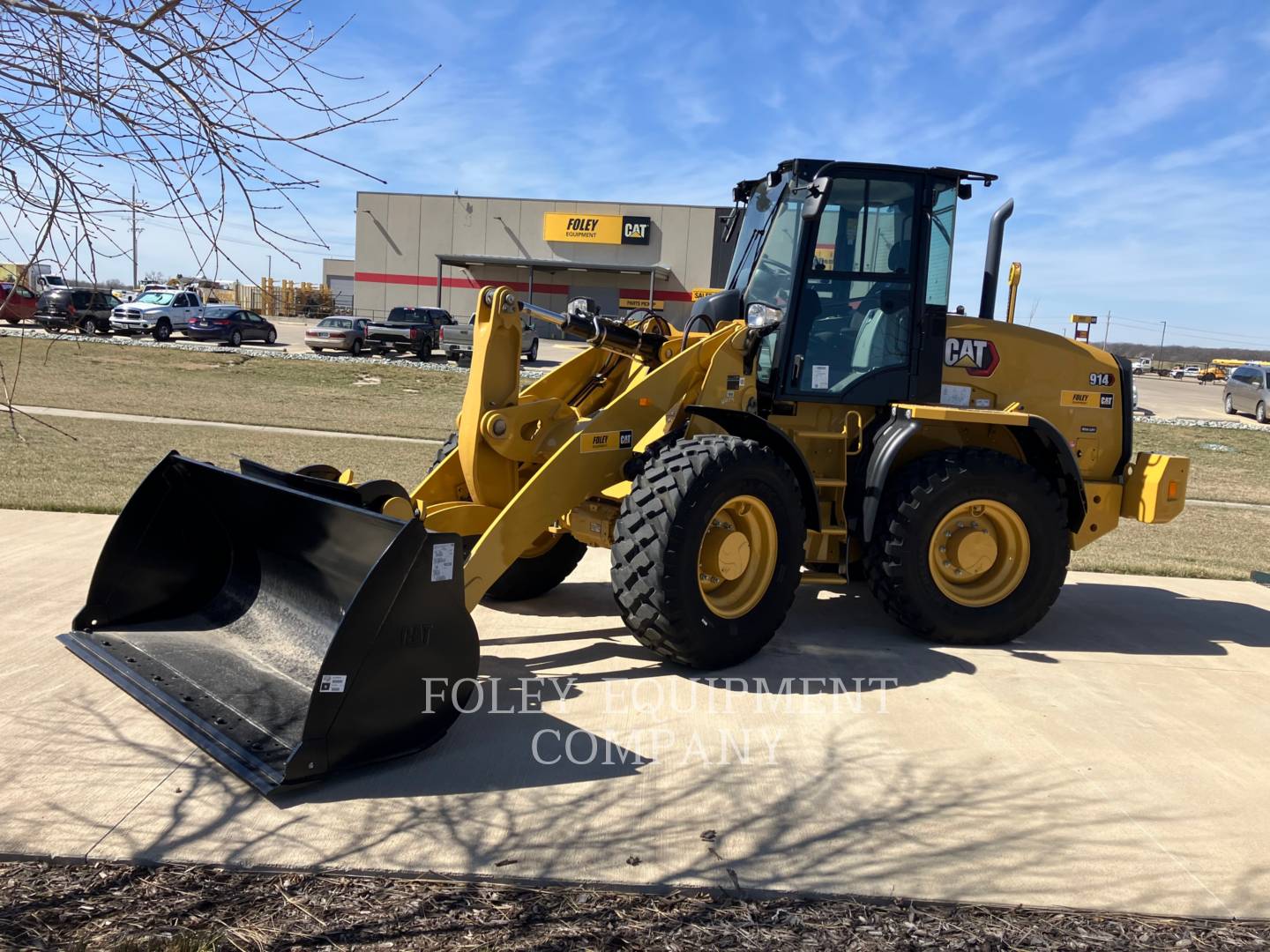
Wheel loaders, also known as front end or bucket loaders, are used primarily for material handling, digging, road building, site preparation and load-and-carry. Starting as small agricultural tractors outfitted with a loader bucket to transport light materials, these machines evolved, first as rigid frame wheel loaders in the late 1930s, then to articulated wheel loaders in the 1940s.
As wheel loaders increased in size, safety concerns arose, particularly concerning the positioning of the loader pivot arm. These concerns ledto the adoption of a front mounted pivot in the late 1950s. Hough was one of the first manufacturers to produce a wheel loader with a safer design, followed quickly by Caterpillar, Case and Allis-Chalmers. Today's wheel loaders are comprised of a pivoted frame with the engine mounted over the rear wheels. A cab or canopy rests over the frame. The machine's pivot arrangement gives the wheel loader the ability to work in small turning circles.
As you prepare for another winter of snow removal, perhaps you're tuning up your skid steer or compact track loader or adding a blade to a truck.
Choosing the right wheel loader is about more than ticking boxes on a spec sheet. For contractors and fleet managers, it's about maximizing ROI every time the machine goes to work.
For several decades, the professionals at Southern Concrete Materials (SCM) in Asheville, N.C. have relied on Charlotte-based Carolina Cat to provide them with the machines they need to get the job done.
 Place an equipment listing on Agricultural Equipment Guide
Agricultural Equipment Guide is the best source for news, how-to's and equipment for the Agricultural Industry. We list equipment in all the major agricultural categories including conveyors, feeders, stackers, crushers, magnets, screening equipment, washing equipment, and more. Our website makes it easy to find the machines you need fast. From manufacturers such as Cedarapids, Doppstadt, Extec, Kleemann, McCloskey, Metso, Nordberg, Pioneer, Powerscreen, Screen Machine, Superior, Terex, and more.
Agricultural Equipment Guide is a project of Construction Equipment Guide, putting machines in front of buyers for over 60 years.
34.788014 \\ -92.420533 \\ 216.73.216.42 \\ Little Rock \\ Arkansas
 Agricultural Equipment
 Agricultural Dealers
 Agricultural Articles
 Email Signup
 Sell Your Machines